
What Makes Portuguese Olive Oil Different from Italian or Spanish Olive Oil?

When conversations turn to the world’s finest olive oils, Italy and Spain often dominate the spotlight.

Yet among Extra Virgin Olive Oil sommeliers, chefs and serious EVOO enthusiasts, Portugal has long been regarded as one of Europe’s most exceptional olive-growing nations.

This reputation wasn’t built overnight.

It was built over centuries of cultivation, generations of growers, and a remarkable collection of native olive varieties found nowhere else in the world.

From the rolling plains of Alentejo to the ancient groves that have shaped Portuguese agriculture for generations, olive oil is deeply woven into the country’s identity. Some of Portugal’s most treasured cultivars… Galega, Cobrançosa, Cordovil, and Verdeal Alentejana are celebrated for producing oils with extraordinary balance, complexity, and character.

Unlike regions known primarily for bold intensity or delicate sweetness, Portuguese extra virgin olive oils are often admired for something more difficult to achieve:

Olive oil

Best for:

### Harmony.

So what exactly makes Portuguese olive oil different from Italian or Greek olive oil?

The answer begins with the land itself.

A Heritage Rooted in the Land

Portugal’s olive-growing history stretches back thousands of years.

Influenced by Roman and Moorish agricultural traditions, olive cultivation became an integral part of Portuguese life long before modern olive oil production existed.

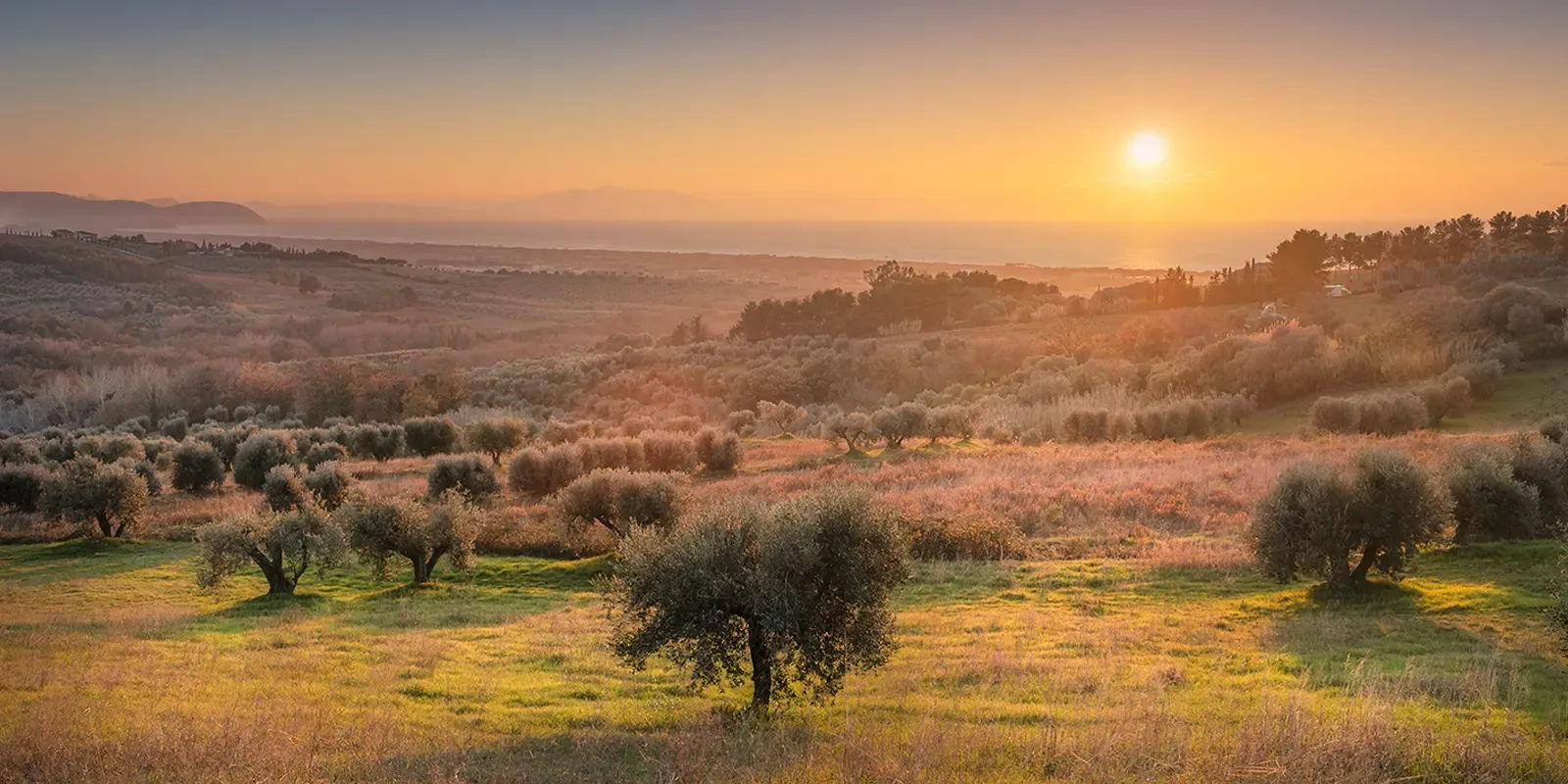
Today, among Portugal’s olive-growing regions, Alentejo is widely regarded as the heart of the country’s olive oil production, with Baixo Alentejo producing some of its most celebrated extra virgin olive oils.

This sun-drenched region offers the ideal conditions for olive cultivation: fertile soils, abundant sunshine, low humidity, and a climate that allows olives to mature slowly while developing exceptional flavour and natural antioxidant content.

For generations, growers in Baixo Alentejo have understood a simple truth:

“Great olive oil begins with great olives. And great olives begin with the land.”

Portugal’s Greatest Treasure: Native Olive Varieties

While many olive-producing nations are known for a handful of dominant cultivars, Portugal possesses one of Europe’s richest collections of indigenous olive varieties.

Among the most respected are:

  • Galega
  • Cobrançosa
  • Cordovil
  • Verdeal Alentejana
  • Madural

Each variety contributes something unique.

Some deliver fresh herbal aromas. Others bring structure, complexity, bitterness, or a long peppery finish.

Together, they create flavour profiles that are unmistakably Portuguese.

Just as grape varieties define great wines, olive varieties define great extra virgin olive oils.

And Portugal’s native cultivars are among its greatest strengths.

The Signature of Portuguese EVOO: Balance

If there is one characteristic that consistently defines Portuguese extra virgin olive oil, it is balance.

Italian olive oils are often celebrated for their bold regional personalities.

Greek olive oils are renowned for their fruit-forward character and deep-rooted traditions.

Portuguese EVOO offers something different. It brings together fruitiness, bitterness, and pepperiness in remarkable harmony.

You may notice notes of green almond, fresh grass, herbs, green tomato, or artichoke.

But what makes these oils memorable is not a single flavour note. It is how all those elements work together.

For many connoisseurs, this balance is the hallmark of exceptional Portuguese olive oil.

Why Early Harvest Matters

Not all olives are harvested at the same stage of ripeness.

Many premium Portuguese producers harvest olives earlier, while they are still green and full of vitality.

This approach results in lower yields, but significantly higher quality.

Early-harvest olives often produce oils with:

  • Greater aromatic intensity
  • Better freshness
  • Richer flavour
  • Higher polyphenol content

The result is an olive oil with more character, more complexity, and greater longevity.

In premium EVOO production, quality often begins with the timing of the harvest.

The Importance of Polyphenols

Among olive oil experts, few topics receive more attention today than polyphenols.

These naturally occurring antioxidant compounds are considered one of the clearest indicators of quality in authentic extra virgin olive oil.

Polyphenols contribute to:

  • Freshness
  • Stability
  • Complexity
  • Nutritional value

They also reveal themselves during tasting. The pleasant bitterness on the tongue. The peppery sensation at the back of the throat. The slight cough that sometimes follows.

These are not flaws.

They are often signs of a fresh, authentic, polyphenol-rich EVOO.

Portugal’s climate, olive varieties, and early-harvest traditions make it particularly well-suited to producing EVOOs naturally rich in these prized compounds.

Tradition Meets Modern Craftsmanship

One of the reasons Portuguese olive oil continues to earn respect around the world is its ability to preserve tradition while embracing innovation.

Many olive groves have been cultivated by the same families for generations.

At the same time, modern harvesting and extraction techniques help ensure that olives are processed quickly after picking, preserving freshness, flavour, and polyphenol content.

The result is an olive oil that honours its heritage while meeting the highest modern standards of quality.

Why More Connoisseurs Are Looking Toward Portugal

Today’s olive oil lovers are more informed than ever. They look beyond attractive labels and marketing claims.

They want to know:

  • Where the olives were grown
  • Which varieties were used
  • When the olives were harvested
  • Whether the oil is rich in polyphenols
  • How transparent the producer is about origin

These are precisely the qualities that have defined Portuguese olive oil for generations.

Authenticity.

Traceability.

Craftsmanship.

Origin.

As consumers continue to seek these attributes, Portugal’s reputation among serious EVOO enthusiasts only continues to grow.

The Coracao do Vale Difference

At Coracao do Vale, our story begins in Baixo Alentejo, Portugal.

A region known for its expansive olive groves, abundant sunshine, fertile soils, and generations of olive-growing expertise, Baixo Alentejo has long been considered one of Portugal’s most important olive oil-producing regions.

It is here that our olives are grown and carefully harvested to preserve the qualities that define authentic extra virgin olive oil- freshness, flavour, balance, and naturally occurring polyphenols.

Every bottle reflects the character of this land.

The climate.

The terroir.

The olive-growing traditions that have shaped Portuguese olive oil for centuries.

From early harvesting practices to a commitment to quality and origin, Coracao do Vale embodies many of the characteristics that discerning olive oil lovers seek when choosing a truly exceptional EVOO.

Because great EVOO can’t be defined by marketing claims, it’s defined by its origin.

And every bottle of Coracao do Vale begins its journey in the groves of Baixo Alentejo.